Proxy
A comprehensive solution for secure data acquisition and exchange, flexible organization and routing of information flows, and remote control at energy facilities. Based on a modern tech stack and provides support of IEC 60870-5-101/104 and another international data exchange protocols
Key Features
Deployed in a demilitarized zone (DMZ), CK.Proxy provides safety data acquisition and distribution from any SCADA, FEP, RTU
- 01Secure acquisition, exchange, and relay of telemetry data and telecontrol commands from various devices and data acquisition systems
- 02Secure data exchange between control centers and energy companies
- 03Secure remote control at critical infrastructure assets
FUNCTIONAL CAPABILITIES
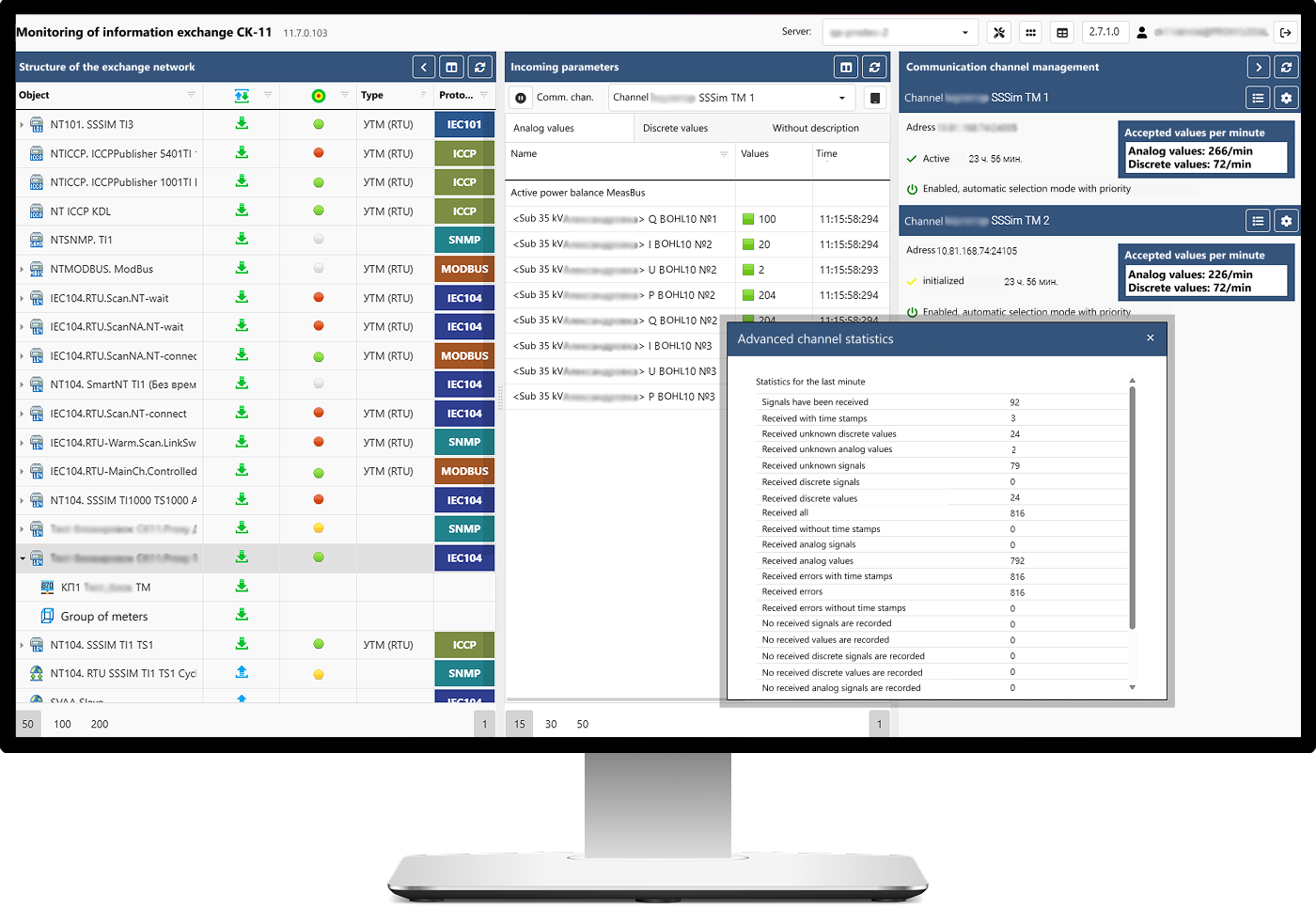
Information flows are organized using standard telemetry and other protocols based on the TCP/IP stack
Telemetry data reception and exchange takes place in accordance with information security requirements, ensures secure communication with the external network
- The solution supports telemetry data exchange with any CRTS, SCADA, FEP, or RTU, regardless of vendor.
- If communication channels with the SCADA system fail, incoming data is buffered in the CK.Proxy storage system. Once communication channels are restored, all buffered data is transmitted to the SCADA system.
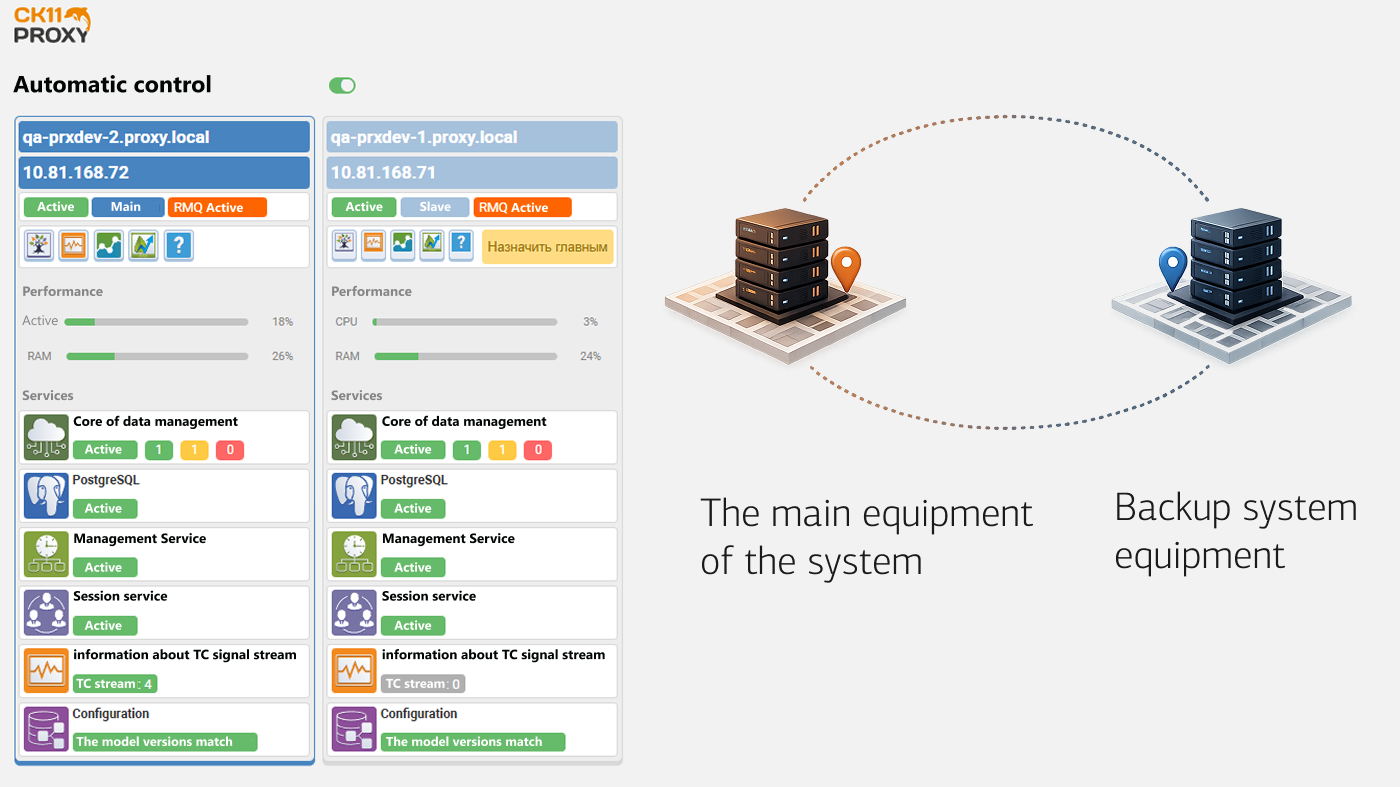
- Hot standby ensures continuous communication with switches and enables immediate, seamless failover.
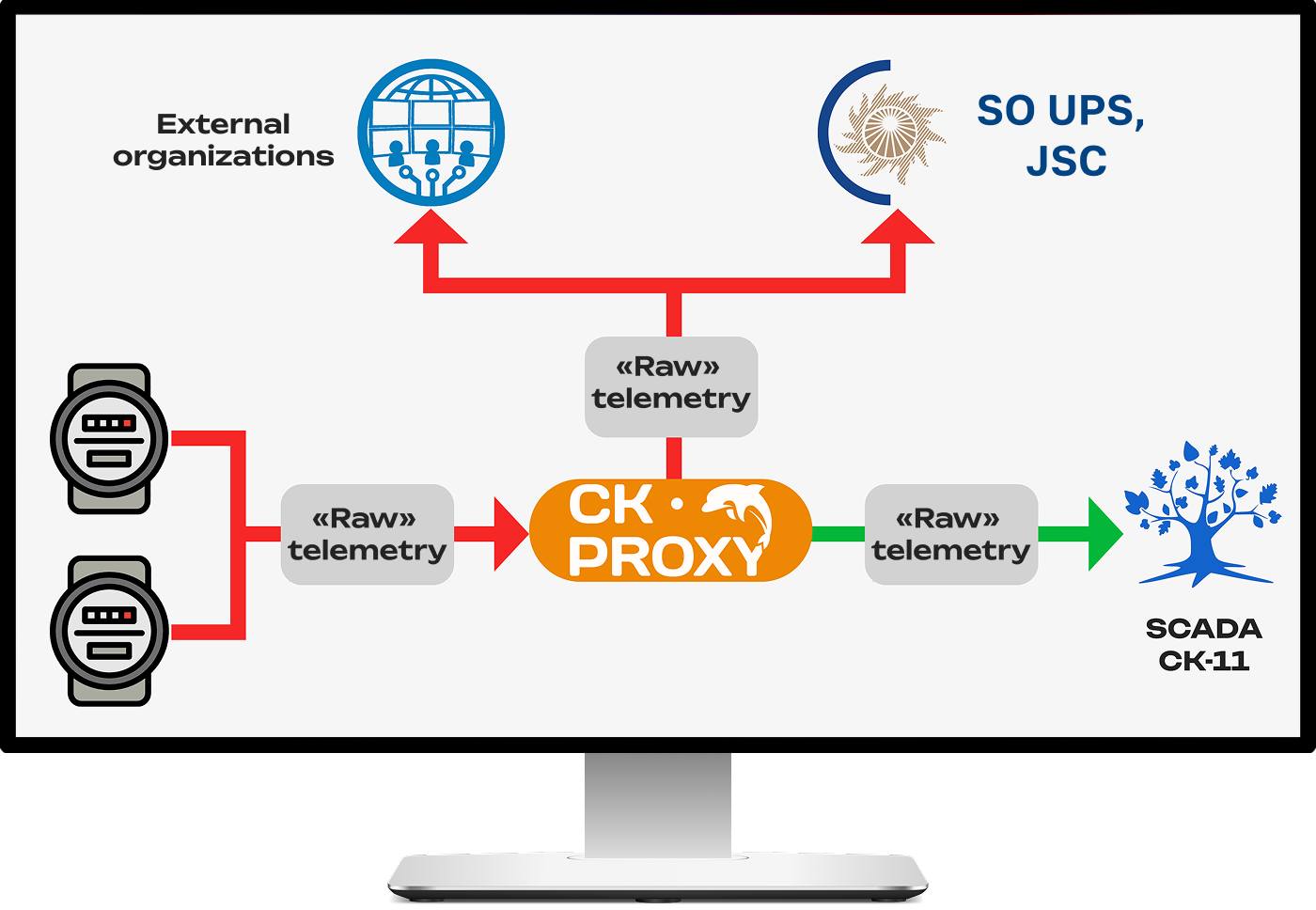
CK.Proxy relays incoming "raw" telemetry data directly from telecontrol devices to the intended recipients in real time, without recording values in SCADA databases or otherwise modifying the data in any way
- The solution eliminates the need to establish dedicated communication channels with JSC System Operator of the Unified Power System.
- Deploying the solution reduces the cost of complying with JSC System Operator of the Unified Power System requirements for facilities under their technological supervision, while streamlining the retransmission process.
- Additionally, the relay mode also supports adjustment of the parameter set transmitted to all external systems.
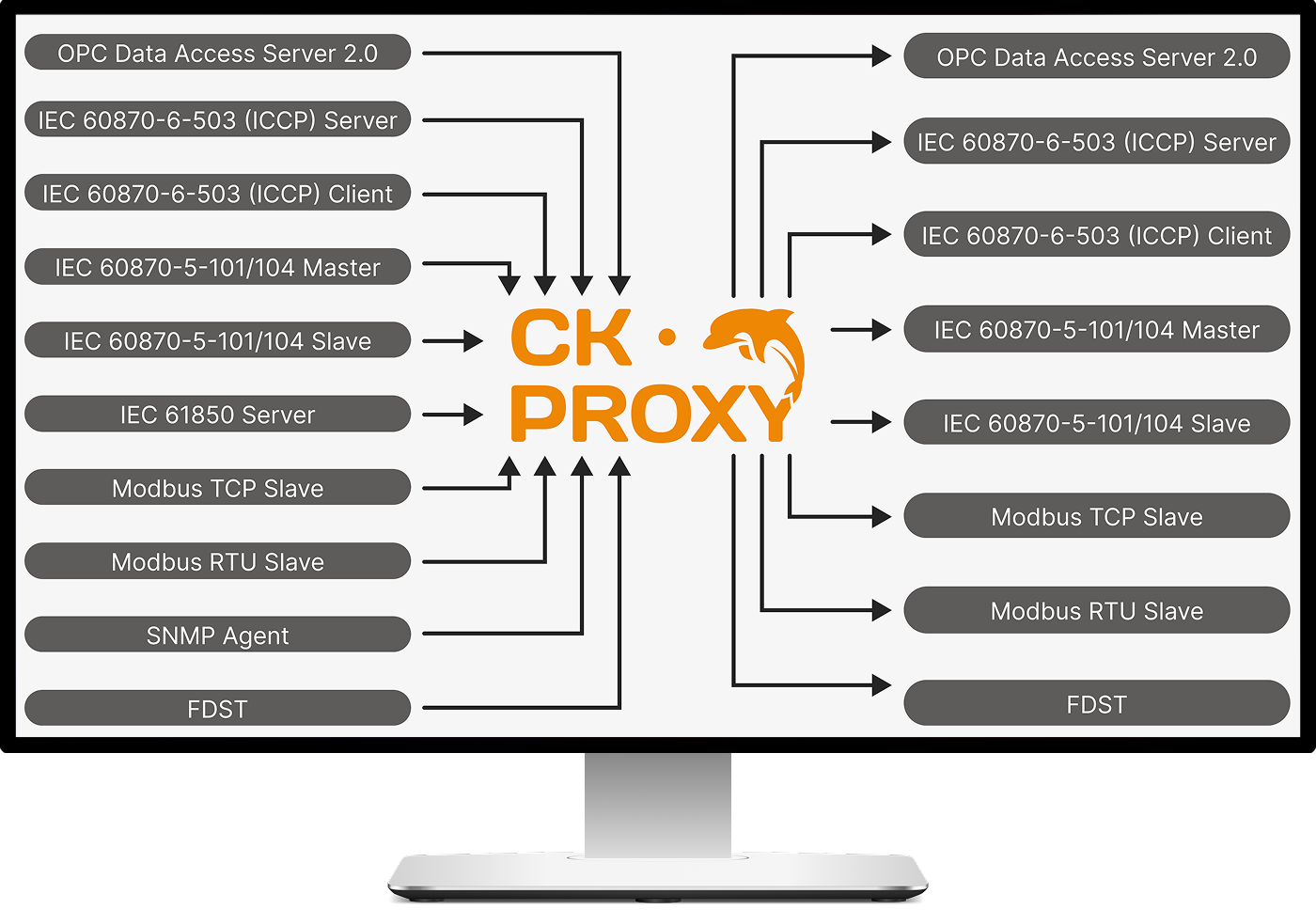
Converts raw data packets received through one protocol into the corresponding format of another protocol in real time for subsequent transmission to the intended recipient
- The solution uses a standardized data format, allowing any conversion as long as the corresponding parameter entities match
- Designed for challenging network landscapes, this solution enables seamless information interchange and dependable telemetry relay, overcoming protocol-imposed limitations on throughput and latency via smart data shaping and resilient retransmission logic.
- Implementing the solution enhances overall system interoperability, reduces development costs, and minimizes the overhead associated with maintaining custom converters.
Enables secure, unidirectional exchange of telemetry values, waveforms, model data, log data, operational information, and other data between control centers using a data diode
- The solution synchronizes equipment information models, measurements, and their values between control centers and JSC System Operator of the Unified Power System.
- For telemetry transmission, the receiving side can automatically configure the transmitting side by utilizing the standardized command and data exchange mechanisms provided by the IEC 60870-5-104 and ICCP protocols, enabling dynamic parameter negotiation and reducing the need for manual intervention.
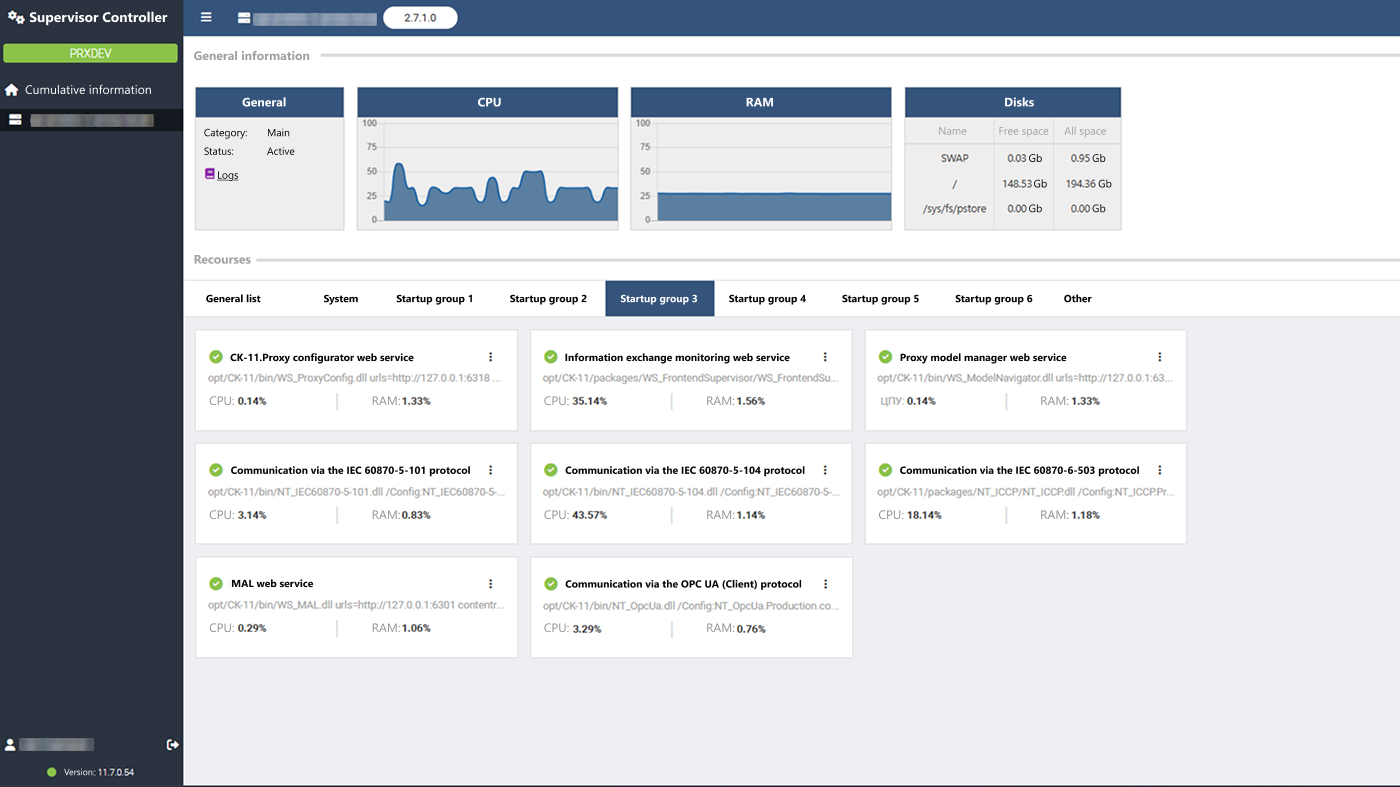
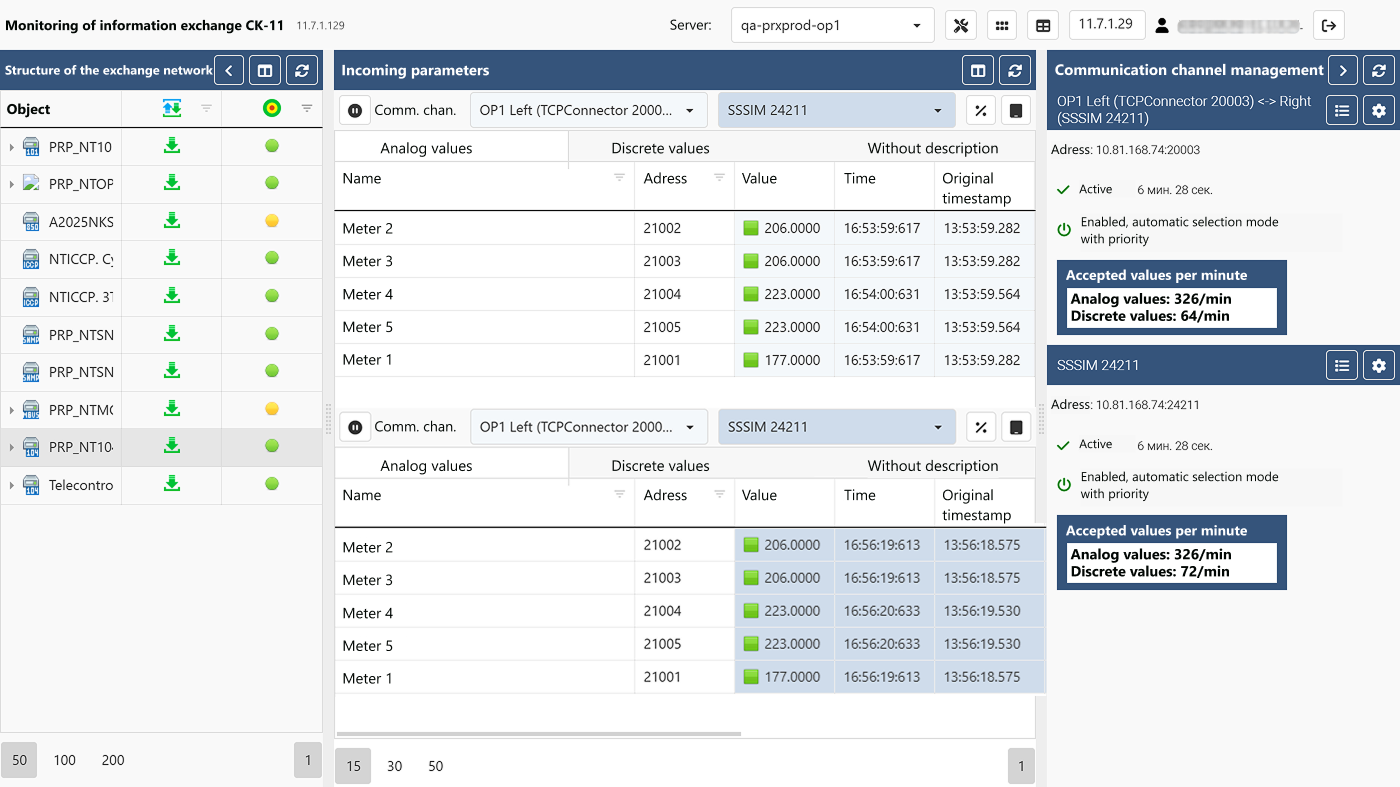
- The solution includes self-diagnostics and remote system status monitoring mechanisms that ensure continuous operation and enable hot standby.
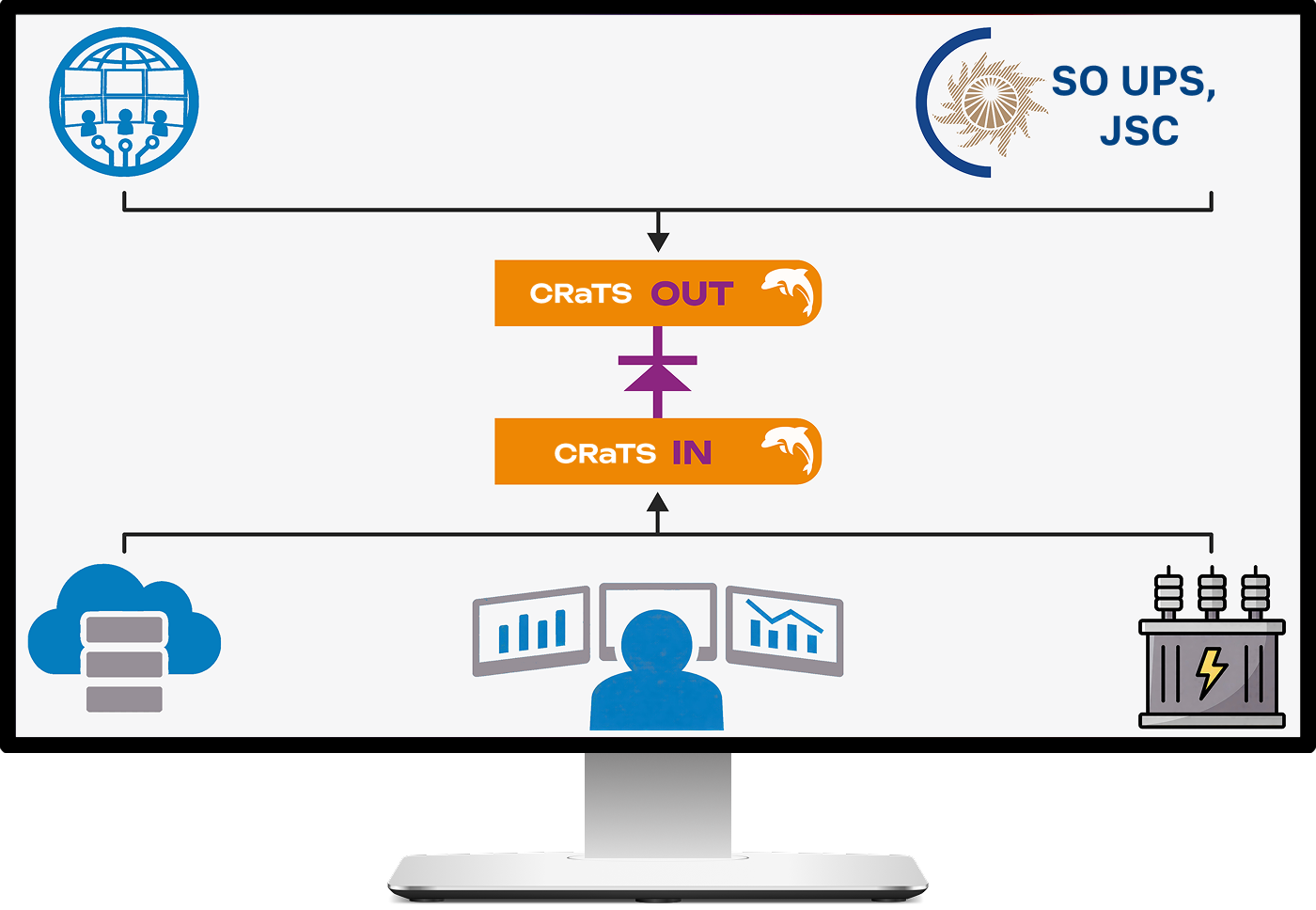
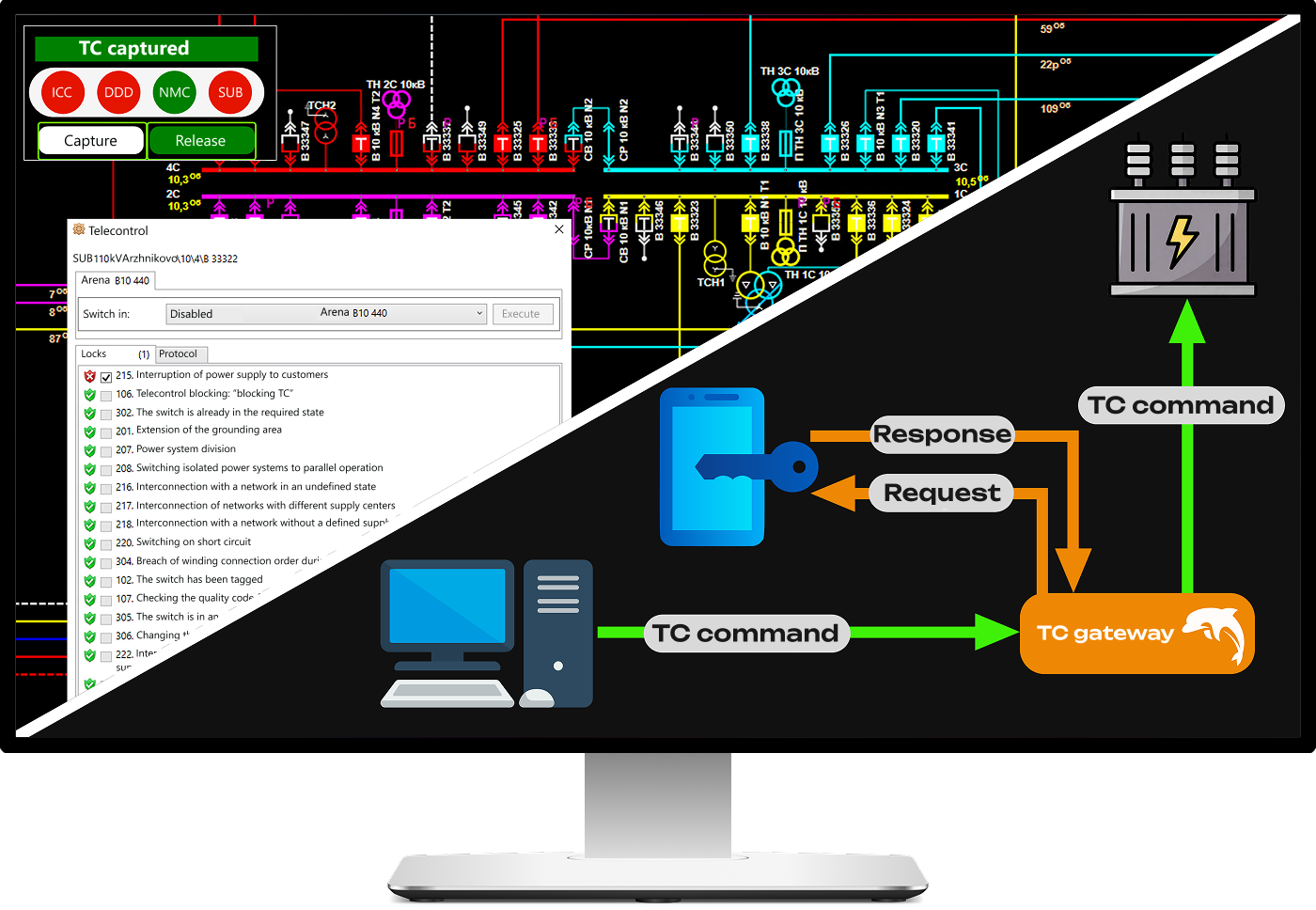
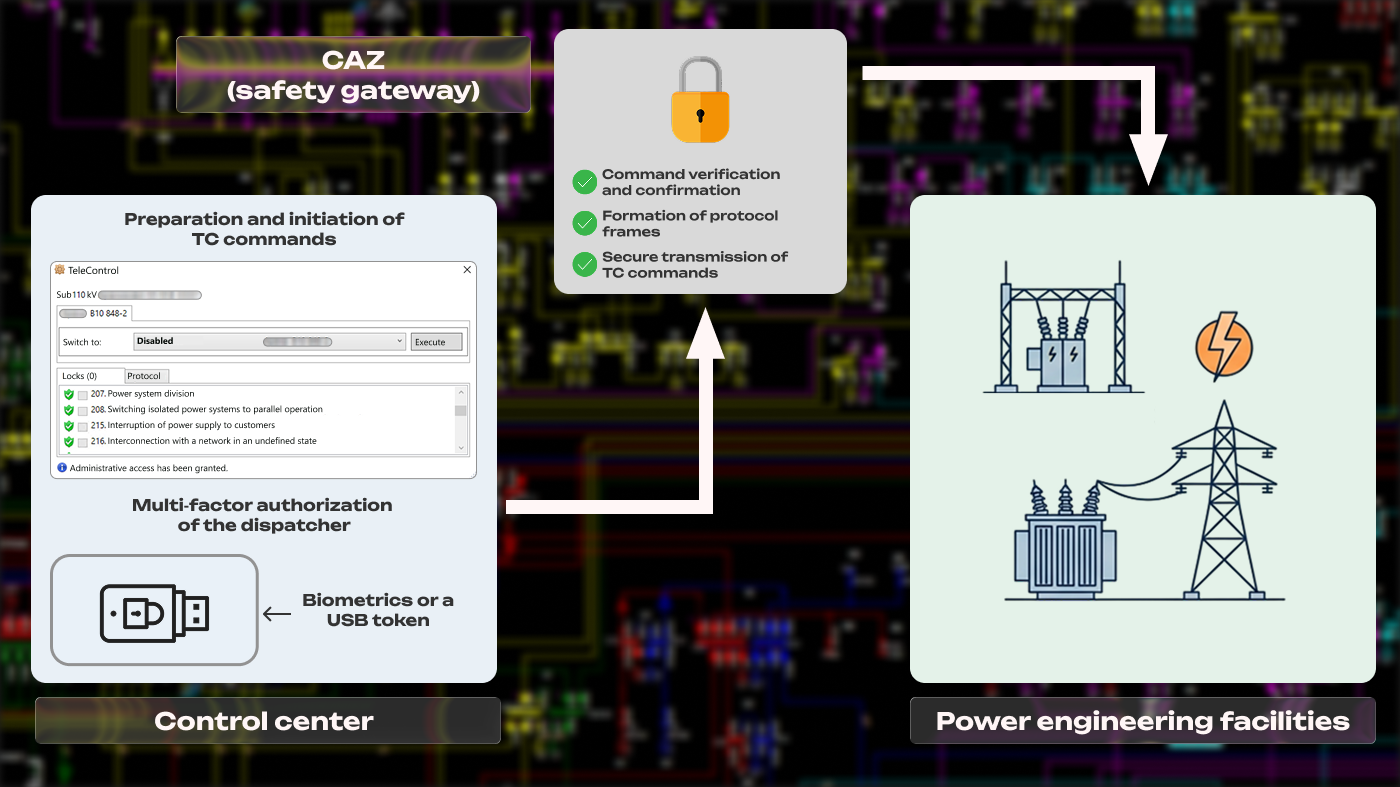
The greatest information security risks and, consequently, the highest information security costs associated with protecting the APCS result from the presence of remote equipment control functions within the system
- Moves remote control to a dedicated RC gateway outside the APCS, adding two-factor authentication for telecontrol commands and lowering the APCS criticality level.
- As a result, remote equipment control and temporary outage schedule activation require additional confirmation from the dispatcher, which significantly enhances the overall security level of the APCS by preventing unauthorized or accidental operations.
- At the same time, information security costs are reduced.
Telemetry Data Reception and Exchange
Telemetry data reception and exchange takes place in accordance with information security requirements, ensures secure communication with the external network
- The solution supports telemetry data exchange with any CRTS, SCADA, FEP, or RTU, regardless of vendor.
- If communication channels with the SCADA system fail, incoming data is buffered in the CK.Proxy storage system. Once communication channels are restored, all buffered data is transmitted to the SCADA system.
- Hot standby ensures continuous communication with switches and enables immediate, seamless failover.
Telemetry Relaying
CK.Proxy relays incoming "raw" telemetry data directly from telecontrol devices to the intended recipients in real time, without recording values in SCADA databases or otherwise modifying the data in any way
- The solution eliminates the need to establish dedicated communication channels with JSC System Operator of the Unified Power System.
- Deploying the solution reduces the cost of complying with JSC System Operator of the Unified Power System requirements for facilities under their technological supervision, while streamlining the retransmission process.
- Additionally, the relay mode also supports adjustment of the parameter set transmitted to all external systems.
Data Conversion Between Telemetry Protocols
Converts raw data packets received through one protocol into the corresponding format of another protocol in real time for subsequent transmission to the intended recipient
- The solution uses a standardized data format, allowing any conversion as long as the corresponding parameter entities match
- Designed for challenging network landscapes, this solution enables seamless information interchange and dependable telemetry relay, overcoming protocol-imposed limitations on throughput and latency via smart data shaping and resilient retransmission logic.
- Implementing the solution enhances overall system interoperability, reduces development costs, and minimizes the overhead associated with maintaining custom converters.
Data Exchange Between Control Centers
Enables secure, unidirectional exchange of telemetry values, waveforms, model data, log data, operational information, and other data between control centers using a data diode
- The solution synchronizes equipment information models, measurements, and their values between control centers and JSC System Operator of the Unified Power System.
- For telemetry transmission, the receiving side can automatically configure the transmitting side by utilizing the standardized command and data exchange mechanisms provided by the IEC 60870-5-104 and ICCP protocols, enabling dynamic parameter negotiation and reducing the need for manual intervention.
- The solution includes self-diagnostics and remote system status monitoring mechanisms that ensure continuous operation and enable hot standby.
Reduced Information Security Costs
The greatest information security risks and, consequently, the highest information security costs associated with protecting the APCS result from the presence of remote equipment control functions within the system
- Moves remote control to a dedicated RC gateway outside the APCS, adding two-factor authentication for telecontrol commands and lowering the APCS criticality level.
- As a result, remote equipment control and temporary outage schedule activation require additional confirmation from the dispatcher, which significantly enhances the overall security level of the APCS by preventing unauthorized or accidental operations.
- At the same time, information security costs are reduced.
Key Features
Off-the-Shelf Solution
Advanced Telemetry Capabilities
Secure Telecontrol
Reliability and Perfomance
RECEPTION
CONVERSION
RELAY
A multifunctional solution for data collection and exchange, designed specifically for the energy sector